
A South Carolina epoxy countertop installer says his Meta AI agent ran his fight to recover locked Facebook pages and wrote the lawsuit he filed against Meta on Nov. 16, 404 Media reported. Joe Thomas is asking an Oconee County court for $75,000.
Thomas told 404 Media that Meta’s moderation systems disabled his business pages after he gave his Muse agent, which he calls “Baby Mia” after his granddaughter, access to them. The agent had been writing his emails and posting AI-generated videos for his company, Kong Koatings Epoxy Countertops, and Meta’s filters treated the agent as a suspected hacker, according to the report.
“She filed the whole lawsuit herself,” Thomas told the outlet. According to 404 Media, the agent also emailed journalists, contacted lawyers, set up a call with Sen. Tim Scott’s office, filed complaints with the FTC and FCC, contacted the FBI and the Better Business Bureau, and faxed the White House.
The complaint tells a narrower story than the AI angle
The court filing, which Thomas signed himself as a pro se plaintiff, never names Muse or Baby Mia as the cause of the lockout. It says Meta locked his “JT Epoxy” profile on Nov. 7 behind a checkpoint warning that the account may have been hacked, and that the same day a limit on group posts stopped his marketing.
According to the complaint, Thomas then passed Meta’s selfie identity check, but the password reset that followed kept failing with an error message. It says the Kong Koatings page, with 33,000 followers, stayed visible to the public while he and his business partner could not post, reply or stay signed in.
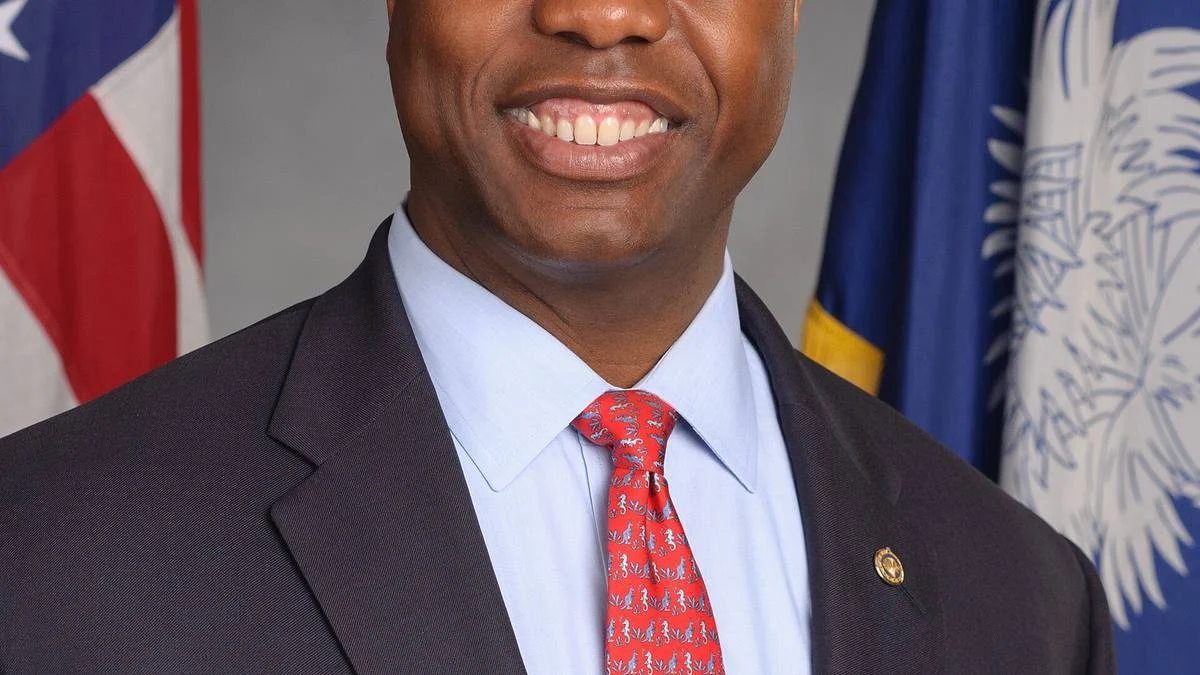
The filing describes a Meta staffer reaching out on Nov. 10 after Scott’s office referred the case. A Privacy Act release Thomas signed for the senator’s office lists “Baby Mia” as his AI assistant and the contact to keep updated.
| Date | What the complaint says happened |
|---|---|
| Nov. 7 | Meta locks the JT Epoxy profile as possibly hacked |
| Nov. 8 | Four charges totaling $111.69 hit his card from a disabled ad account |
| Nov. 9 | Pre-suit demand to Meta: restore access by Nov. 15, pay $75,000 |
| Nov. 10 | A Meta employee contacts him after Scott’s office refers the case |
| Nov. 14 | Access to two profiles returns; group posting blocked until Nov. 21 |
| Nov. 16 | Complaint filed in Oconee County, jury trial demanded |
How $25,000 in losses becomes a $75,000 claim
The dollar figure comes from South Carolina’s Unfair Trade Practices Act. Thomas puts his actual losses at a conservative $25,000, which he ties to lost jobs and leads (he says an average job is worth $2,500 to $3,000), a wasted Florida trip and a lost marketing channel. He then asks the court to triple that to $75,000 under Section 39-5-140(a), which allows treble damages for a willful violation.
The complaint also claims breach of contract, arguing that Meta’s terms allow it to disable an account over suspected unauthorized use only when it cannot confirm ownership, and that his selfie check had already confirmed it. It asks for full access to his profiles and pages, an explanation or reversal of the $111.69, and attorney’s fees, though he is representing himself.
Partial restoration has not ended the case. Thomas says in the filing that Meta’s legal department never answered his demand, and he quotes himself from Nov. 10: “Even if Meta unlocked my page today, I still want to go after damages already done.”
The summons gives Meta 30 days after it is served to answer, or risk a default judgment. These are allegations that have not been tested in court, and Meta’s response to the lawsuit was not included in the coverage. The case is Thomas’s own, though: he signed the filing, Dexerto noted, even as he credits the agent with drafting it.
In other news, Fortnite players claimed a “false ban wave” was handing out year-long “exploiting” bans, and one asked FireMonkey to get Epic’s attention.