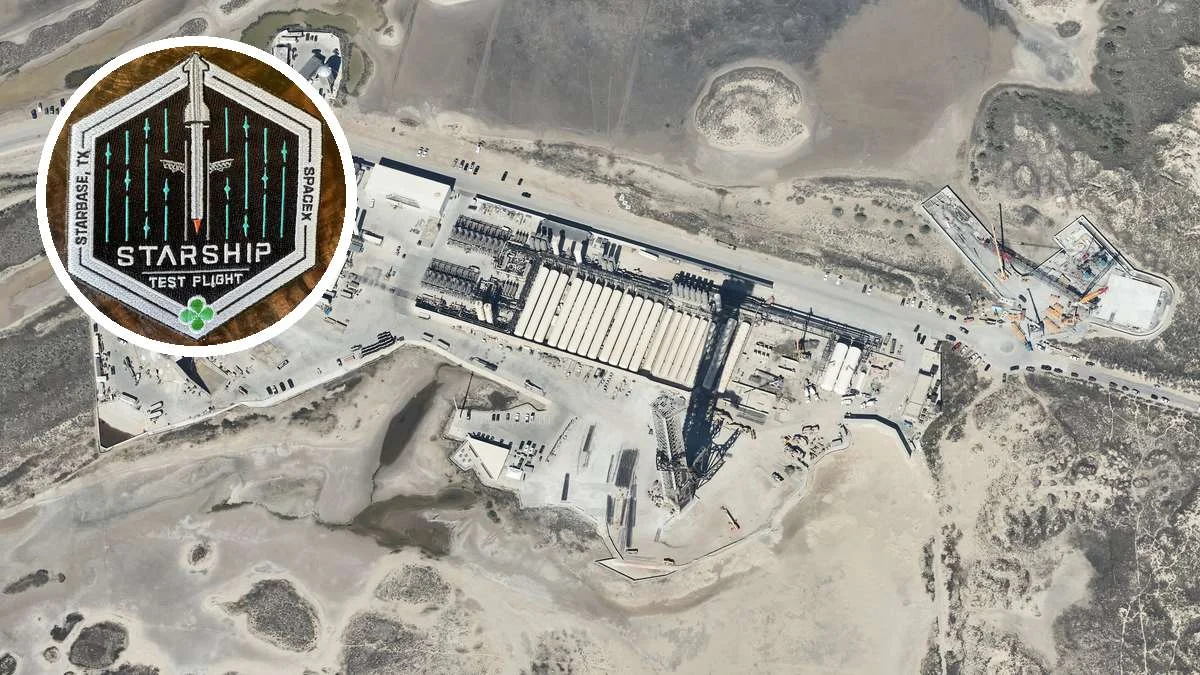
SpaceX caught the Starship upper stage with the giant arms of its launch tower for the first time on Saturday, at about 4:20 p.m. Eastern at Starbase, Texas, The Verge reports. The catch came a day after the company’s Super Heavy booster aborted its own planned tower catch and was lost over the Gulf of Mexico, so the mission ended as a milestone and a setback at once.
The vehicle, a Starship from Flight 15, had flown a 14-orbit mission after Friday’s launch, according to Space.com’s live coverage, and the flight also released 26 new Starlink V3 satellites. Controllers had a go or no-go decision about 20 hours and 41 minutes into the flight on whether to attempt the tower catch or send the ship to a splashdown near Hawaii. They chose the catch.
How the catch played out
In SpaceX’s video, the Verge says, Starship plunged through clouds, flipped vertical and eased itself between the waiting arms, nicknamed “Mechazilla.” The company has caught Super Heavy boosters that way before, but this was the first time the maneuver worked on the Starship vehicle itself. Space.com had billed Flight 15 as the first to attempt landings of both the booster and the ship, a chance at the world’s first full recovery of an orbital rocket and spacecraft.
| When | What happened |
|---|---|
| Nov. 13 | Flight 15 launches; Super Heavy Booster 22 aborts its catch attempt and falls into the Gulf of Mexico |
| Nov. 13 to 14 | Ship flies 14 orbits and deploys 26 Starlink V3 satellites |
| Nov. 14, about 4:20 p.m. ET | Tower arms catch the Starship at Starbase |
What went wrong with the booster
SpaceX’s Dan Huot said during the broadcast that it was likely a guidance and navigation control issue, according to Space.com, and that the company would “dig in” to what caused the abort. The Verge says SpaceX is still working out why the booster aborted its landing and detonated over the Gulf. Until the company publishes findings, the cause is not confirmed.
Because boosters have been caught before, the Verge argues, there is reason to think the failure is not an insurmountable obstacle. Whether SpaceX can repeat the ship catch is the question for the next flight. Elon Musk, who runs SpaceX, is traveling to Asia with the president this week, as our report on the Shenzhen talks explains.