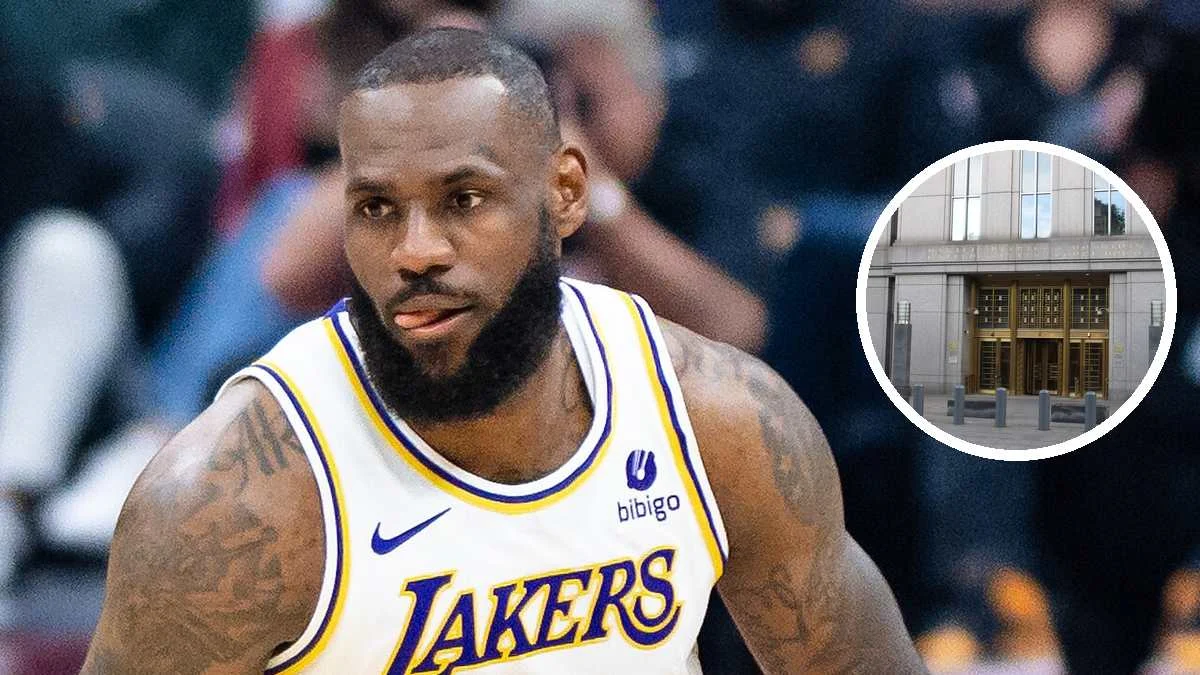
LeBron James has sued the maker of an AI-driven sports betting research app called Bron, alleging it used a computer-generated version of him in a No. 23 “Bron” jersey to advertise the product. The complaint, which Complex reviewed, is a 44-page filing dated Nov. 17, and the allegations have not been tested in court.
James and LBJ Trademarks LLC filed the lawsuit against PlayVision Inc., Anish Gupta and Marc Zoghby in the Southern District of New York on November 17, 2026, according to the case docket. The suit alleges false endorsement, trademark infringement and false advertising. The Associated Press reported that its requests for comment were not immediately returned on November 17.
The complaint says the ad gained about a million views within a day. “Mr. James has no affiliation with defendants or their product,” it states.
What the ad showed and what James is asking for
The ad features a digitally generated figure resembling James, with his voice, tattoos and a jersey with his nickname and number 23. In it, the figure sits in a locker room and scrolls through wagers involving other NBA players before a prompt tells viewers to “scroll to bet.”
The complaint argues that “Bron” was chosen “precisely to evoke Mr. James,” and that putting the name on the jersey of an AI-generated James “removes any doubt.” It also says associating an active player with NBA betting risks his reputation, and points to his existing exclusive deal with the prediction market Polymarket.
Bron describes itself as a research and analytics service with odds comparisons, trends and bet tracking, and its app-store description says it does not take wagers directly. James is seeking an injunction against using the Bron name, plus unspecified compensatory and punitive damages.
| Date | What happened |
|---|---|
| Nov. 5 | James’s lawyers send a cease-and-desist letter |
| After Nov. 5 | The ad is removed from the company’s social accounts but remains in reposts |
| Nov. 17 | Suit filed in Manhattan federal court |
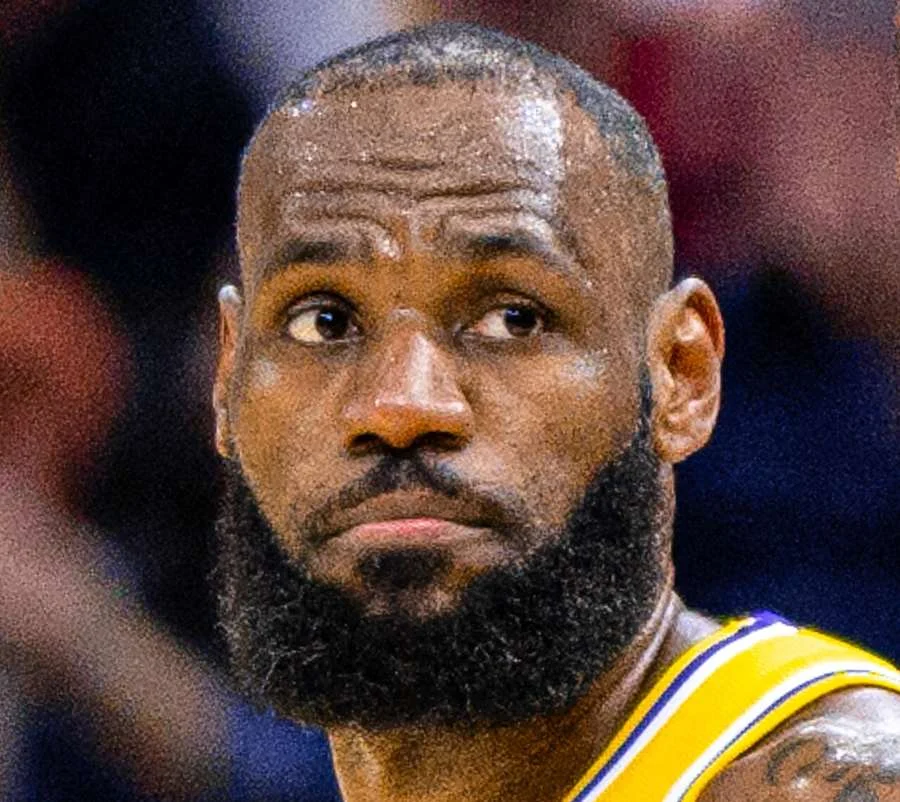
A representative for Luka Dončić confirmed that he also sent a cease-and-desist letter after his image appeared in the promotion. The complaint says the company answered James’s letter with a response “daring” him to take further action.
The suit also looks past this one ad. “The same tools can be turned on any athlete, at any level of the sport, with ease,” it warns, and it says AI has advanced to a point where “theft and misappropriation” could become “commonplace” without intervention.
The filing sets out the plaintiffs’ case and does not establish that the defendants are liable. We have not seen the ad itself, and we are not reproducing it.
In other news, a countertop maker’s Meta AI agent helped him sue Meta after his Facebook pages were locked.